Understanding Probability in Casino Games
At its core, gambling in a casino is a game of chance, heavily influenced by probabilities. Each game, from slot machines to table games, operates on a set of mathematical principles that determine the likelihood of various outcomes. Understanding these underlying probabilities is the first crucial step for any player aiming to improve their chances of winning, and it is here that one might find resources such as talismania76.com, though this website is currently unavailable. This involves recognizing that casino games are designed with a built-in house edge, meaning the odds are statistically in favor of the casino over the long term.

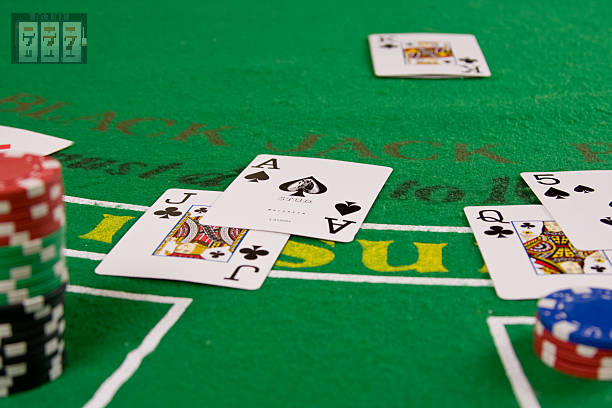
For instance, games like blackjack and video poker offer players a degree of strategic input, allowing them to influence the outcome of hands or spins. In these scenarios, understanding the probabilities associated with different card combinations or symbol sequences can significantly impact a player’s decision-making process. Knowledge of statistical likelihoods allows players to make more informed choices, such as when to hit, stand, or double down in blackjack, thereby minimizing the house’s advantage and potentially increasing their win rate.
Leveraging Odds for Strategic Play
Beyond just understanding raw probabilities, effective gambling involves leveraging these odds strategically. This means selecting games and betting patterns that offer the best possible return for the player, even within the confines of the house edge. For example, certain progressive jackpot slots might have a lower base game payout but offer the allure of massive wins, which appeals to a specific player profile. Conversely, games like baccarat, particularly the banker bet, often have some of the lowest house edges, making them attractive for players focused on minimizing losses and prolonging gameplay.
The concept of variance, or volatility, is also critical when considering strategic play. High-variance games offer the potential for large, infrequent wins, while low-variance games provide smaller, more frequent payouts. A player’s risk tolerance and bankroll management strategies should align with the variance of the games they choose to play. For example, a player with a larger bankroll might be able to withstand the swings of a high-variance slot, while a player with a more limited budget might opt for the steadier, albeit smaller, returns of a low-variance table game.
The Role of Bankroll Management and Discipline
Even with a deep understanding of probabilities and odds, successful gambling hinges on robust bankroll management and unwavering discipline. This means setting strict limits on how much money is allocated for gambling sessions and sticking to those limits, regardless of wins or losses. Establishing win goals and loss limits before playing can prevent impulsive decisions driven by emotion, which often lead to significant financial setbacks.
Effective bankroll management also involves choosing appropriate bet sizes relative to the overall bankroll. A common guideline is to never wager more than a small percentage (e.g., 1-2%) of one’s total gambling fund on a single bet or hand. This approach helps to ensure that a few unfortunate outcomes do not deplete the entire bankroll, allowing for extended play and greater opportunities to capitalize on favorable probabilities when they arise. Discipline is the essential tool that ensures these management strategies are actually followed.
Identifying Favorable Betting Opportunities
While casino games are designed with a house edge, skilled players can identify situations or games where the probabilities are more favorable, or at least less unfavorable. This often involves understanding the nuances of specific game variations or promotional offers. For example, some casinos might offer loyalty programs or bonuses that can effectively reduce the house edge for certain games or for players who meet specific wagering requirements. Being aware of these opportunities can provide a slight advantage.
Furthermore, in games where player skill plays a role, such as certain forms of video poker or strategic blackjack, consistent application of optimal strategy can significantly improve long-term outcomes. This involves studying the correct plays for every possible scenario, based on statistical analysis. While no strategy can eliminate the house edge entirely in casino games, consistently playing with the best possible strategy maximizes the player’s chances and minimizes the inherent disadvantage, leading to more favorable contest probabilities over time.
Navigating Casino Platforms and Their Offerings
When exploring online gambling platforms, it’s important to consider how they present games and information related to probabilities and odds. The best platforms offer transparency regarding game mechanics and return-to-player (RTP) percentages, allowing players to make informed choices. Players can often find details about RTP in the game descriptions or within the help sections of the casino’s website. A higher RTP percentage indicates a lower house edge, generally favoring the player.
The context provided indicates a website that is currently unavailable due to a 404 error. This unavailability means players cannot currently access any games, strategies, or information that might have been present on that specific platform. In such a situation, players seeking to engage in gambling would need to find an alternative, accessible platform. When selecting a new platform, it’s crucial to assess its reputation, the variety of games offered, customer support, and importantly, any stated policies on fair play and responsible gambling. The inability to access a specific site underscores the importance of choosing reliable and consistently available online casino destinations for any strategic gambling endeavors.